
Ophthalmic Herpes Zoster: Clinical Picture and Complications
This is the reactivation of the varicella-zoster virus (VZV), which after the initial infection remains latent in the nerve ganglia. Factors such as ageing, stress and immunosuppression can “wake up” the virus.
The Optic Nerve Injury
The virus follows the path of specific nerve fibres, always affecting one side of the face. When the ocular branch of the trigeminal nerve is affected, symptoms occur on the forehead, eyelids and often in the nose (Hutchinson's sign).
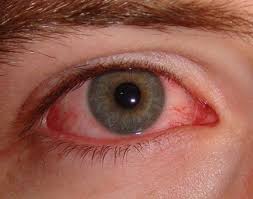
Signs to watch out for:
Rash on one side: Red blisters on the forehead or around the eye.
Nose sores: If you see rashes on the tip or side of the nose, the chance of the eye being affected is very high.
Pain: Stinging, burning or intense pain that feels like an electric current.
Ocular Complications
Eye damage can cause a wide range of problems:
Keratoid: Inflammation, ulcers and permanent scarring (nephelion).
Forward Semi: Conjunctivitis and iritis.
Secondary Diseases: Glaucoma, cataracts and diplopia due to damage to the nerves that control mobility.
Rear Half: In severe cases, damage to the retina and optic nerve.
Therapeutic Approach
Treatment is based on the administration of antiviral drugs (oral or topical) and anti-inflammatory agents. Timely initiation of treatment is critical to prevent post-herpetic neuralgia, a chronic and painful syndrome that persists after the rash has healed.
Frequently Asked Questions
Why does shingles only appear on one side?;
The virus “resides” in the roots of the nerves. Each nerve controls a specific area (right or left). When the virus is activated, it travels along the fibres of that particular nerve, which is why the rash stops right in the middle of the face.
What is post-herpetic neuralgia?;
It is an intense, chronic pain that remains in the area even months after the wounds have healed. It happens because the virus can damage the nerve fibres themselves. Starting antiviral treatment early reduces this risk significantly.
Can shingles cause glaucoma or cataracts?;
Yes. The inflammation caused by the virus inside the eye can increase intraocular pressure (glaucoma) or cloud the natural lens of the eye (cataract). These complications can occur weeks or months after the initial infection.
Is shingles contagious?;
You can't pass the bug to someone else, but you can pass the chickenpox virus to someone who has never had it or hasn't been vaccinated. This is done through contact with the fluid from the blisters.
Will I see clearly again after the infection?;
In most cases, with the right treatment, vision returns. However, if the cornea is scarred or the optic nerve is affected, permanent cloudiness may remain.
Is there a vaccine for shingles?;
Yes, there is a vaccine that is usually recommended for people over 50 or 60 years of age. The vaccine significantly reduces the chances of developing the disease, but also the severity of the symptoms if someone does get sick.