
Hyphae: Anterior Chamber Intraocular Hemorrhage
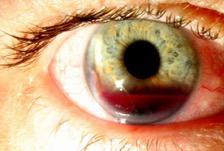
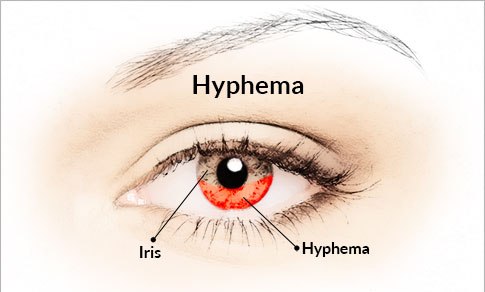
A hematoma is the presence of blood in the anterior chamber of the eye, i.e. the space between the cornea and the iris. It results from the rupture of vessels in the iris or ciliary body, resulting in the leakage of blood into the aqueous humour.
Etiology & Diagnosis
Trauma: The most common cause is blunt trauma to the eye.
Pathological Causes: Neovascularisation of the iris, ocular tumours or postoperative complications. Diagnosis includes a meticulous examination at the slit lamp, measurement of intraocular pressure and funduscopy to exclude associated retinal lesions.
Therapeutic Approach
The treatment aims to absorb the blood and prevent complications:
Activity Restriction: Complete rest with the head in an elevated position (30-45°).
Medication: Drops to control the pressure and mydriatics to immobilize the iris.
Surgical Intervention: Washing of the anterior chamber in cases of persistent high pressure or risk of corneal perfusion.
Instructions for Recovery
If you are diagnosed with hyphaema, rest is your medicine:
Stay bedridden: Keep the head up with 2-3 pillows.
Avoid intense movement: Do not bend over or lift weights, as there is a risk of further bleeding.
Follow the drops: The doctor will give you eye drops to calm the eye and protect your vision.
Frequently Asked Questions
What is the difference between the hyposphere and the subsoil?;
Hypophagus is blood on the surface of the eye (the white part) and is harmless. The hemisphere is blood in the Inside of the eye and can cause permanent damage if not treated properly.
Why is high pressure in the atmosphere dangerous?;
Red blood cells can “clog” the drainage system of the eye. If the pressure gets too high, the optic nerve can be damaged (secondary glaucoma) or the blood can “soak” the cornea, permanently clouding it.
How long does it take for the blood to be absorbed?;
Usually the blood is absorbed within a few days to two weeks. The most critical period is the first 3-5 days, when there is the greatest risk of new bleeding (rebleeding).
Do you always need surgery?;
No, most cases are treated with medication and rest. Surgery (lavage) is only done if the pressure remains too high despite medication or if the blood does not subside after several days.
Why do I have to sleep with my head up?;
By raising the head, the blood “sits” in the lower part of the eye due to gravity. This leaves the centre of vision clear and helps the eye to drain blood more easily.
Can the hyphae occur without injury?;
Yes, although rarely. It can be caused by conditions such as diabetes (neovascularisation of the iris) or certain inflammations and tumours of the eye. In these cases, the doctor will investigate the underlying cause.