
Uveitis: Internal Inflammation of the Eye and Therapeutic Management
What is uveitis?;
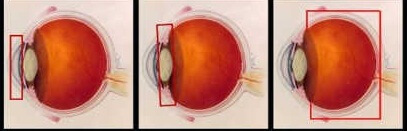
The term describes inflammation of the uvea, the intermediate layer of the eye that is rich in blood vessels. It includes the iris (anterior), the ciliary body (medial) and the choroid (posterior uveitis).
Diagnosis & Evaluation
Diagnosis is based on detailed examination in the slit lamp and fundoscopy with an ophthalmoscope. The evaluation includes:
Control of the visual acuity and the intraocular pressure (which is often affected).
Detection of inflammatory cells inside the eye.
In many cases, laboratory tests (blood tests) are performed to investigate systemic causes or infections (e.g. autoimmune diseases).
Therapeutic Scheme
Treatment is determined by the location and severity of the inflammation:
Local & Systemic Treatment: Administration of colloids or tablets (corticosteroids) to suppress inflammation.
Pressure setting: Use of hypotonic drops in case of a secondary increase in intraocular pressure.
What are the main symptoms?;
Usually affected is the an eye.
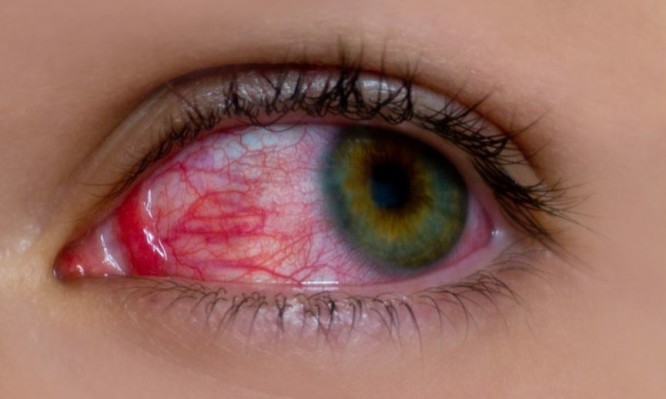
Intense redness, swelling and tearing.
Sensitivity to light (photophobia).
Pain or “weight” inside the eye.
Secretions (pinpricks) and irritation at the corner of the eyelid.
Frequently Asked Questions
What is the difference between conjunctivitis and uveitis?;
Conjunctivitis is inflammation on the outer surface of the eye and is usually “innocent”. Uveitis is an inflammation in the Inside of the eye. If your eye is red and painful or if you have sensitivity to light, uveitis should be ruled out by an ophthalmologist.
Why did the doctor ask me for blood tests?;
Uveitis may be the first sign of a condition elsewhere in your body (such as arthritis, infections or autoimmune diseases). Blood tests help to find the cause of the inflammation so we can treat it radically.
Can uveitis cause glaucoma?;
Yes. Inflammation can block the drainage channels of the eye fluid or the cortisone drops used in treatment can increase the pressure. Therefore, checking intraocular pressure is essential at every visit.
Is uveitis contagious?;
No. Uveitis is not transmitted from person to person. It is a reaction of your own body or a result of an internal infection/symptom.
How long does the treatment last?;
It depends on the type. A simple anterior uveitis may resolve in a few weeks. However, some forms are chronic and require monitoring for months or even years to prevent recurrences.
Will my vision be permanently affected?;
If uveitis is diagnosed early and treated correctly, vision is usually fully restored. But if left untreated, it can cause cataracts, glaucoma or retinal damage that permanently affects vision.