Melanocytic Retinopathy: Understanding Hereditary Retinal Degeneration of Vision
What is it?; Retinitis pigmentosa (RP) is the main form of hereditary retinal degeneration. It is a genetic disorder that causes the gradual deterioration of the eye's photoreceptors, the cells that “capture” light.
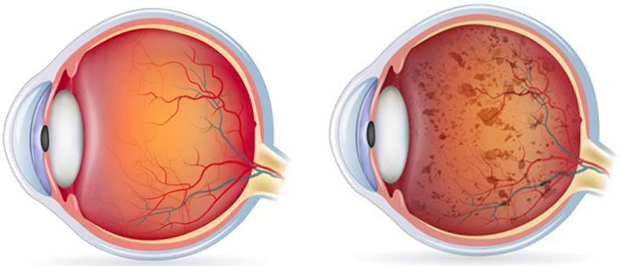
How does the disease progress?;
There are two types of photoreceptors in the human eye:
The Rabbis: Responsible for night and peripheral vision.
The Cones: Responsible for central vision, sharpness and colours.
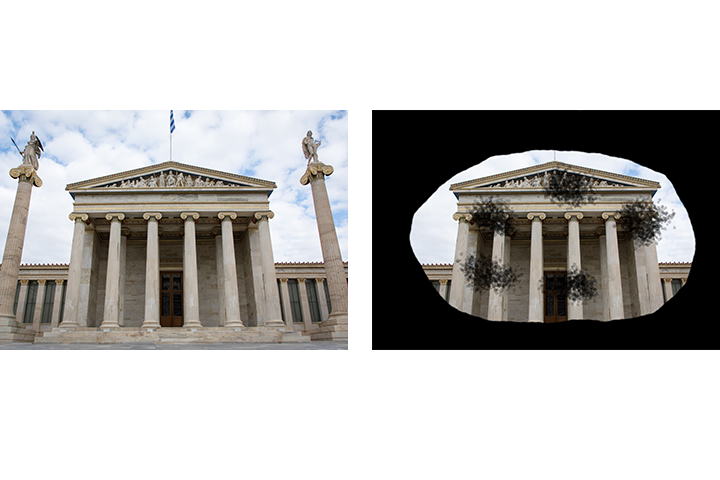
In the classic form of the disease, the first to be destroyed are the Rabdia. This is why the first symptom is difficulty seeing in the dark (Noctalopia) and the gradual reduction of the field of view (Tubular Vision). In later stages, the Cones may also be affected, affecting central vision and reading.
Heredity & Frequency
The condition occurs in about 1 in 4,000 people. The mode of inheritance varies (autosomal dominant, recessive or sex-linked) and often determines the severity and speed of disease progression.
Therapeutic Approach
Although there is still no definitive cure, science is making leaps and bounds. Research is focusing on gene therapy, stem cells and retinal implants (bionic eye), while the administration of certain preparations (e.g. Vitamin A) under medical supervision can in some cases slow down the progression.
The first signs
Most patients notice the first symptoms at an early age:
Difficulty in the evening: You have difficulty seeing when driving at night or when entering a dark place (e.g. a cinema) in daylight.
You stumble often: Because of the loss of peripheral vision, you may not see objects that are to the side or low (through-the-tube vision).
Is there hope?;
Yes. Although the disease is progressive, many patients maintain good central vision for many decades. Moreover, we are in a time of rapid advances. Genetic tests are carried out in specialised centres to identify the responsible gene, which is crucial for future gene therapies and for family planning (childbearing).
Frequently Asked Questions
Will I go completely blind?;
The progression of the disease varies greatly from person to person. Most patients retain useful central vision for much of their lives, allowing them to read and recognise faces, even if they have lost their peripheral vision. Complete vision loss is possible but not the norm for everyone.
Can I take vitamins to stop it?;
Some studies have shown that Vitamin A (palmitate) may slow down progression in some patients. However, it should be taken strictly on doctor's advice, as in large doses it can be toxic to the liver or bones. Do not take preparations without consulting your eye doctor.
Is it hereditary? Will my children have it?;
Yes, it's a hereditary condition. The risk of passing it on to children depends on the “type” of inheritance (whether it is dominant, recessive or racially linked). Nowadays, with special blood tests (genetic testing), we can often find the responsible gene and give you clear answers about the chances of passing it on to offspring.
Can I drive?;
This depends on the stage of the disease. In the early stages it may be possible on the day. However, if peripheral vision (visual fields) or night vision is affected, driving becomes dangerous for you and others and is usually legally prohibited.
Is there a cure on the horizon?;
Science moves very fast. There are already approved gene therapies for very specific forms of the disease (e.g. a mutation in the RPE65 gene), and stem cells and electronic implants are being tested. Accurately diagnosing your gene is the first step to being a candidate for future treatments.
What is "Tubular Vision"?;
It's like looking at the world through a straw or a roll of paper. You can clearly see what is directly in front of you, but you have “black” spaces to the right, left, up and down. This is because the cells in the periphery of the eye (rods) are destroyed first.