
What is conjunctivitis?;
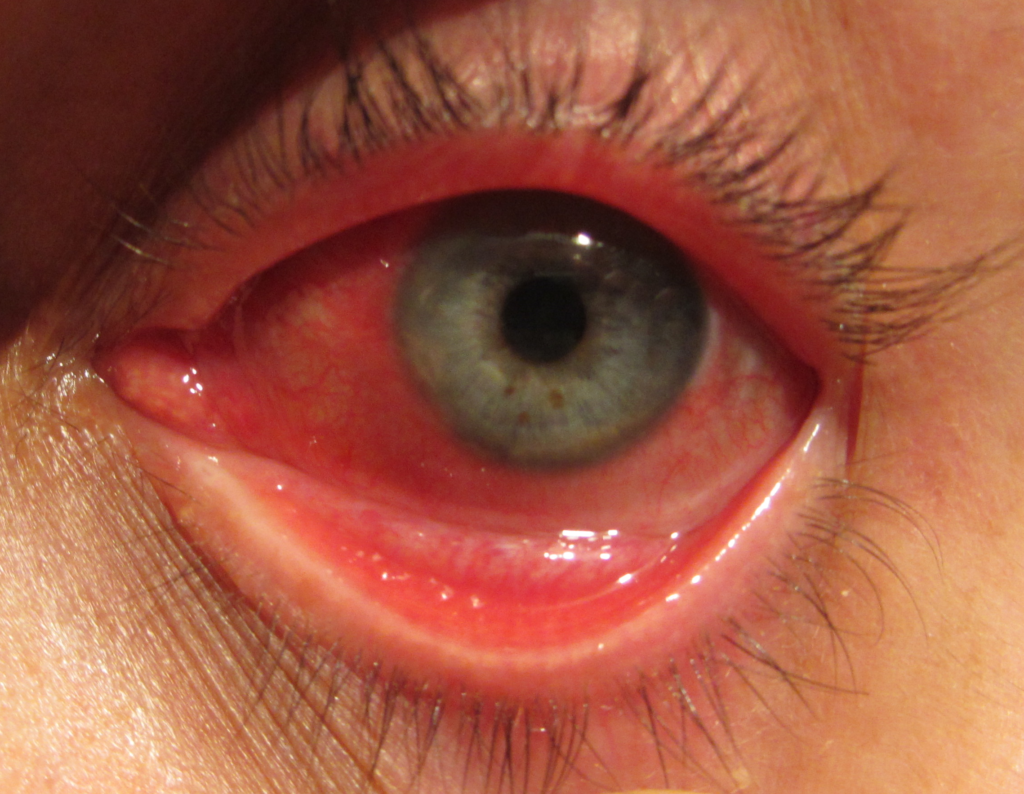
It is an inflammation of the conjunctiva, the transparent lining that covers the sclera (the white part of the eye) and the inner surface of the eyelids. The condition is classified into three main types:
Viral: It is often associated with upper respiratory infections (adenoviruses). It is highly contagious and self-limiting.
Microbial: It is caused by pathogens such as staphylococcus or streptococcus and is characterised by purulent discharge.
Allergic: Reaction to exogenous allergens (pollen, cosmetics). It is not contagious and usually occurs bilaterally.
Diagnosis & Prevention
The diagnosis is made in the slit lamp. Due to the high contagiousness of the viral and microbial form, strict adherence to hygiene rules (disinfection of surfaces, avoidance of sharing towels) is required to limit spread.
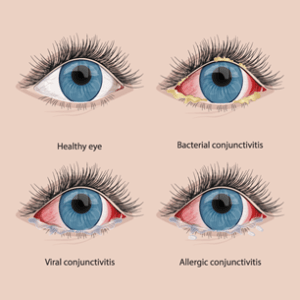
How will you know the difference?;
If you have a lot of chicks that sticks to the eyelids in the morning, it's probably Microbial.
If you have intense itching and swelling in both eyes, is Allergic.
If you have tears and “burning” and maybe a sore throat or sniffles, is Viral.
Practical Tips
Do not touch your eyes: The infection is easily transferred from one eye to another or to other people through the hands.
Compresses: Cold compresses relieve the allergy, while cool compresses (with saline) help to cleanse the secretions in the microbial form.
Attention to hygiene: Change pillowcases immediately and do not share face towels.
Frequently Asked Questions
Why didn't the doctor give me antibiotics for viral conjunctivitis?;
As with the common cold, antibiotics do not fight viruses. Viral conjunctivitis needs to go through its cycle (about 2-3 weeks). Treatment is only aimed at relieving the symptoms.
How long is conjunctivitis contagious?;
Viral and microbial conjunctivitis are contagious as long as there are secretions and tears (usually 7-12 days). It is important to stay out of work or school until the severe symptoms subside.
Can I wear contact lenses while I have a red eye?;
NO. You should stop using contact lenses immediately until the ophthalmologist confirms that the inflammation is completely gone. The lenses can trap germs and cause more serious damage to the cornea.
Why do my eyes only stick in the morning?;
During sleep, secretions (pus or mucus) collect on the eyelashes and dry out, acting as “glue”. Cleaning with sterile gauze and lukewarm water or saline is the best way to open the eyelids safely.
Is cortisone dangerous in the eyes?;
Cortisone eye drops are very effective in reducing inflammation, but they should be used only under medical supervision. Their excessive use can increase eye pressure or worsen certain infections (such as herpes).
Can conjunctivitis affect my vision?;
Usually not. But if you notice severe pain, high sensitivity to light or severe blurred vision, contact your doctor immediately, as the inflammation may have spread to the cornea (keratitis).