
Coats Disease: a rare challenge to children's vision
What is Coats Disease?;
Coats disease is a rare, non-hereditary disorder of the retinal vessels. It is characterized by abnormal growth and dilation of the vessels (telangiectasias), which leak blood and lipids (cholesterol). These deposits gradually destroy the retina and, if left untreated, can lead to detachment, glaucoma or cataracts.
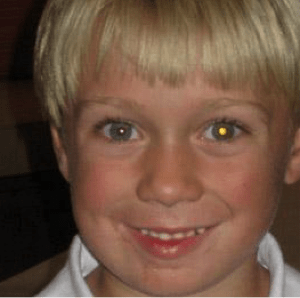
Appearance & Symptoms
The disease usually affects one eye, more often in boys, during the first decade of life.
Leucory: An abnormal white or yellow reflection in the pupil of the eye.
The Yellow Eye Effect: Unlike the usual “red eye” in flash photography, the eye with Coats shows a yellow reflection due to cholesterol deposits.
Reduced vision: It is often delayed in diagnosis because the other eye can see well, but it affects depth perception (3D vision).
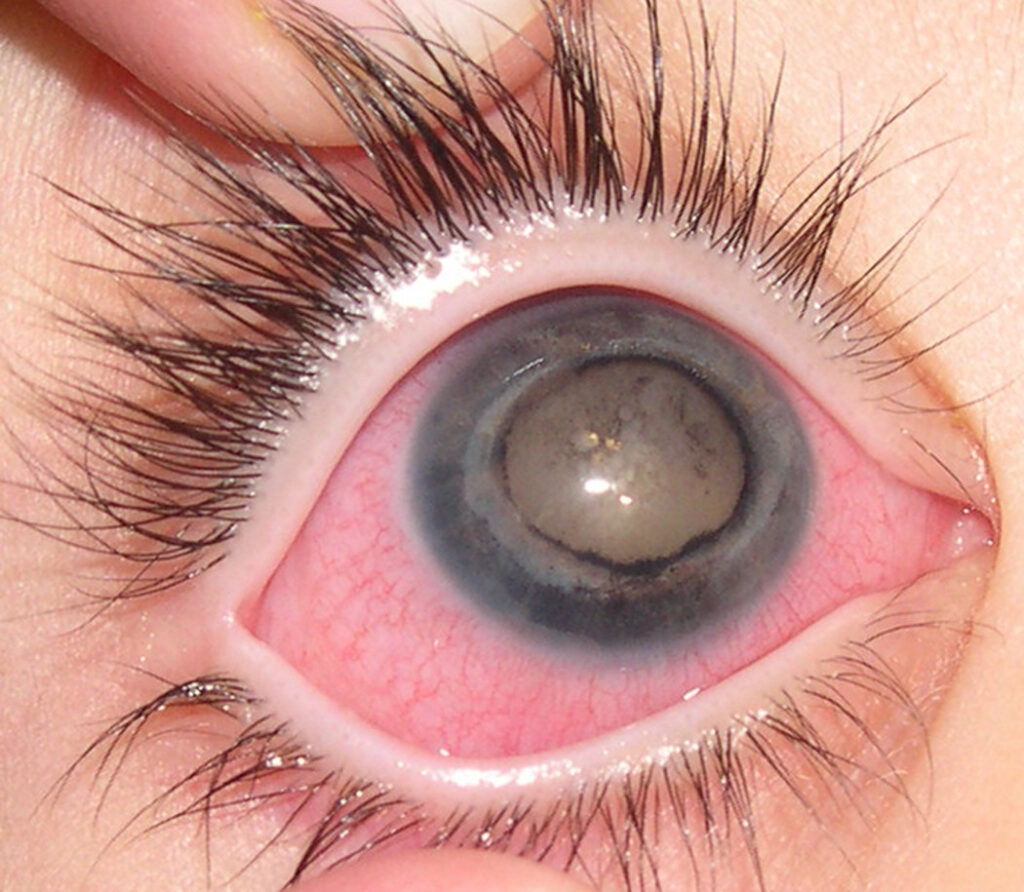
Diagnosis & Treatment
The diagnosis is made by dowsing and is supported by imaging methods such as B-surgery and the Fluorescein angiography. The treatment aims to seal the leaking vessels, usually with:
Laser Photocoagulation (in early stages).
Cryopixia.
Surgery (in cases of detachment).
Why is early diagnosis important?; The earlier the treatment (usually with Laser) starts, the more chances we have to stop the leakage of the vessels and protect the child's vision from permanent damage or detachment.
International Cooperation: the Jack McGovern Coats’ Disease Foundation
Our clinic is actively involved in the global fight against the disease. Mr. Ε. Gozzarides represents Greece at the international foundation Jack McGovern Coats’ Disease Foundation, contributing with his many years of surgical experience to the research and treatment of this rare condition.
Frequently Asked Questions
Is Coats disease hereditary?;
No. Although it is congenital (the child is born with the predisposition), it is not passed from parents to children through the genes. It occurs randomly and usually affects only one eye.
Does my child hurt?;
No, Coats disease is generally painless. Pain may only occur in very advanced stages if glaucoma (high pressure in the eye) develops. This is why it is important not to rely on pain to seek help.
Can the disease stop on its own?;
Rare cases have been recorded where the disease has stopped progressing spontaneously. However, this is not the norm. Follow-up needs to be close and continuous, as Coats can have relapses even after successful treatment.
What is Leucory?;
It is the medical term for “white daughter”. Instead of the pupil appearing black, it appears white or yellow under certain lighting angles. It is a symptom that requires immediate investigation, as it may indicate Coats or other serious conditions.
What is the prognosis for the child's vision?;
The prognosis depends on the stage at which the diagnosis was made. If the disease is detected early, vision can be maintained at very good levels. In advanced stages, the goal is to save the eyeball and prevent complications such as detachment.
How does the Jack McGovern Foundation help?;
The foundation funds research worldwide and provides support to families. Our clinic's participation in this network ensures that our patients have access to the most up-to-date treatment protocols worldwide.