
Flap: Fibrovascular Hyperplasia and Effects on the Corneal Surface
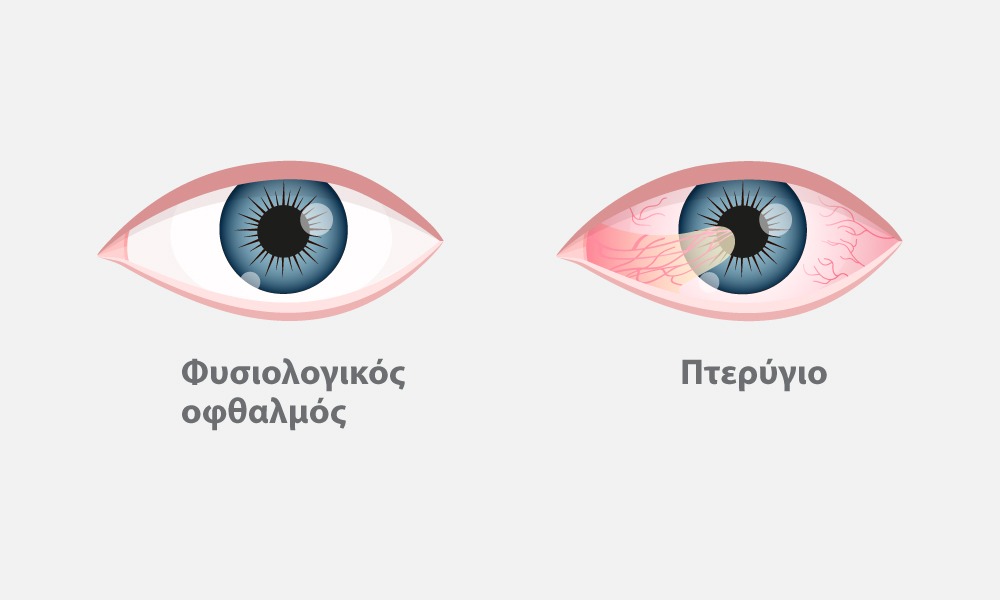
Flutter is a benign, triangular (wedge-shaped) hyperplasia of the conjunctiva that develops on the cornea. It consists of fibrous tissue and a rich network of capillaries that feed it. It is particularly prevalent in people with increased exposure to ultraviolet (UV) radiation, dust and wind.
Effects on Vision
As the flap grows, it can cause:
Induction of Astigmatism: The pull on the cornea alters its sphericity.
Optical Axis Coverage: In advanced stages, the extension towards the centre of the cornea directly blocks the entrance of light.
Therapeutic Management
Conservative: Use of artificial tears to relieve irritation and short-term administration of steroid colloids to control inflammation.
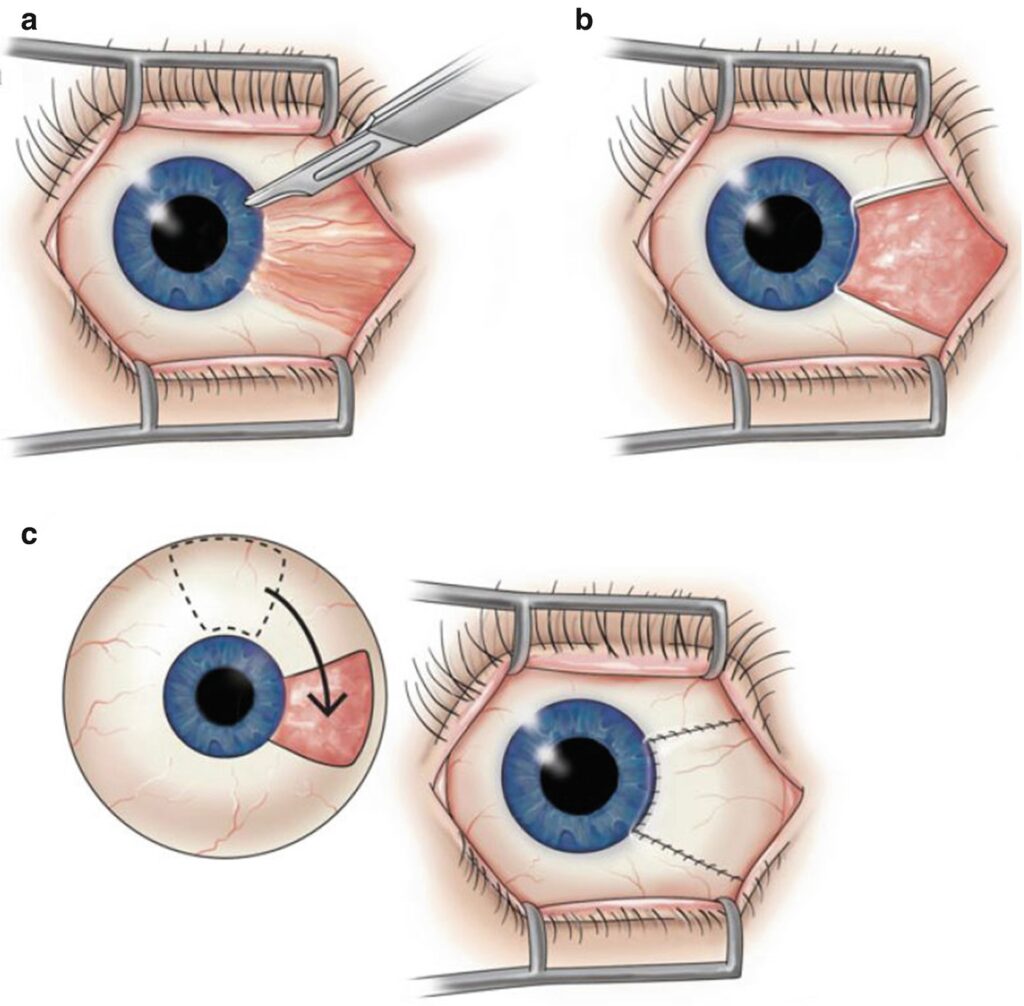
Surgery: Surgical removal is recommended when the flap threatens the visual axis, causes significant astigmatism or severe aesthetic discomfort.
Frequently Asked Questions
Is the fin a type of tumor?;
No, the flap is a benign tissue hyperplasia. It is not cancer. However, because it can grow and affect vision, it should be monitored regularly by an ophthalmologist.
Can the flap come back out after surgery?;
Yes, recurrence is one of the main risks of surgery. To reduce this possibility, modern surgical techniques often use conjunctival autograft (we transfer healthy tissue from another part of the eye) to “shield” the area.
Why do my eyes get redder when I'm outside?;
The fin has many tiny vessels. When exposed to sun, smoke or dust, these vessels dilate, making the pinna (and the whole eye) appear bright red.
Do sunglasses help if I already have a flap?;
They help too! UV protection can slow or even stop the growth of the flap, preventing the need for surgery.
Can I use cortisone eye drops whenever I feel irritation?;
Attention: Steroids (cortisone) help with inflammation, but long-term unsupervised use can cause glaucoma or cataracts. They should only be used for a few days and always as directed by your doctor.
Will the flap come off with drops?;
No. Eye drops can relieve the symptoms (redness, stinging), but they cannot eliminate the tissue that has already grown. The only method of removal is surgery.