
Iris neovascularization: A Serious Indication of Ischaemia of the Eye
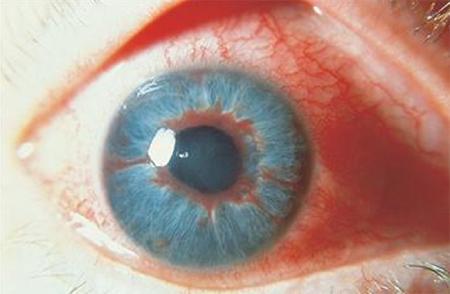
The term Rubeosis Iridis refers to the development of abnormal, fragile vessels on the iris (the coloured part of the eye). Under normal circumstances, there are no visible vessels in the iris.
The Mechanism of Damage
The appearance of these vessels is a “cry for help” from the eye for oxygen. When the retina is ischemic (due to advanced diabetes or vein blockage), it produces substances that cause new blood vessels to be born. These vessels also spread to the front of the eye, blocking the drainage angle of the aqueous humor.
The Complication: Neovascular Glaucoma
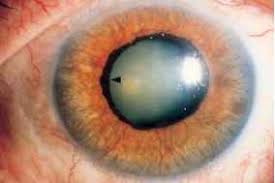
The result of this obstruction is a rapid increase in intraocular pressure, a condition known as Neovascular Glaucoma. This is one of the most difficult cases of glaucoma that requires specialized treatment.
What are the symptoms?;
The problem is that neovascularization often it does not hurt and not visible to the naked eye in the early stages. The patient may notice:
Gradual blurring or loss of peripheral vision.
If the pressure rises sharply, there may be pain and severe redness.
Therapeutic Strategy
The treatment is twofold
Cure the Cause: Use Laser (Panretinal Photocoagulation) ή Anti-VEGF injections to stop the production of new blood vessels.
Pressure Control: Medication with eye drops or drainage surgery (valves) to maintain pressure at safe levels.
Frequently Asked Questions
What conditions cause neovascularization of the iris?;
The two most common causes are Productive Diabetic Retinopathy and the Central Vein Obstruction of the retina. In both cases, the eye is deprived of oxygen and reacts by creating these abnormal vessels.
Why are new vessels bad for the eye?;
Although the eye makes them to carry oxygen, these vessels are very fragile and bleed easily. Most importantly, they act like a “cobweb” that clogs the eye's drainage system, raising the pressure to dangerous levels.
Can Laser make the vessels in the iris disappear?;
Yes, indirectly. By doing a laser on the retina (where there is a lack of oxygen), we reduce the eye's need for new blood vessels. Thus, the vessels in the iris begin to recede and “shrivel”.
What is Neovascular Glaucoma?;
It is a form of glaucoma caused by these very vessels. It is considered “difficult” glaucoma because the pressure often does not come down with eye drops alone and may require surgical placement of a special valve.
Will I see you again if the vases are gone?;
The recovery of vision depends on how much damage has been done to the optic nerve by the pressure and the condition of the retina. Our goal is first to stabilize the pressure to save the existing vision.
How often should I be tested if I have diabetes?;
If you have diabetic lesions, dowsing should be regular. If the doctor detects signs of ischemia, monitoring becomes closer to prevent neovascularization before it even appears in the iris.