
What is an Ear Hole?;
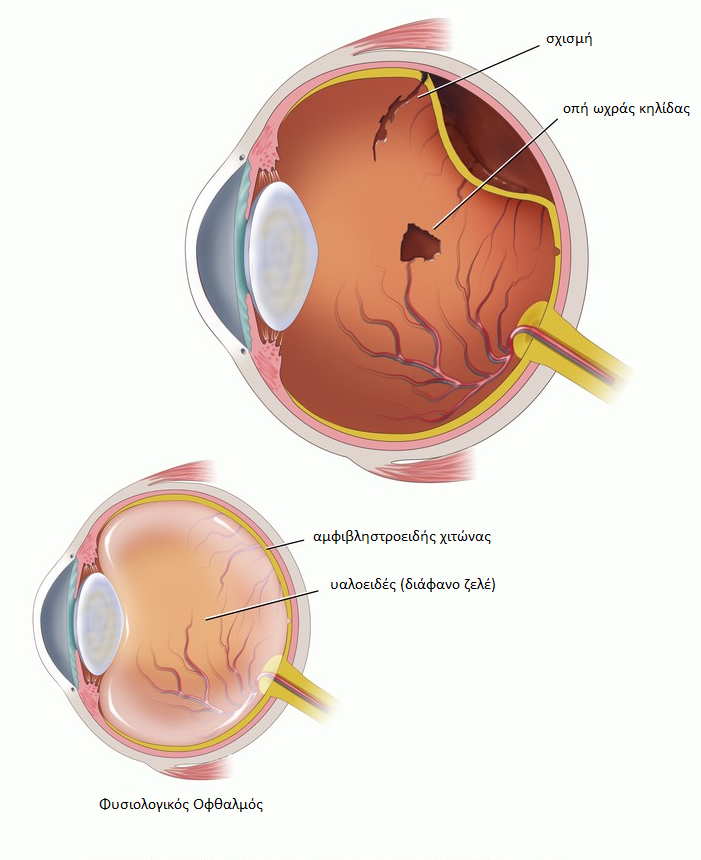
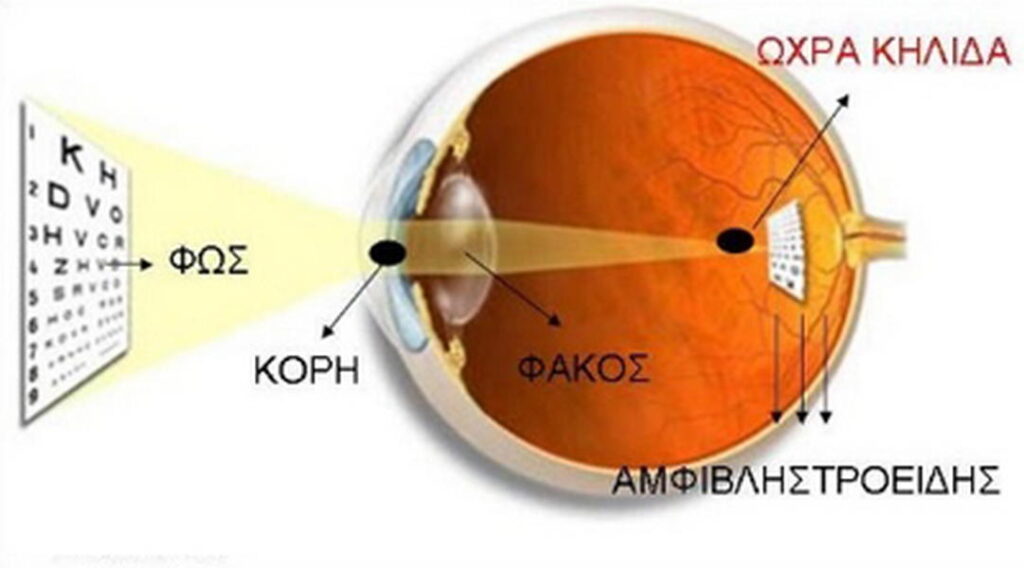
The macula is a tiny area in the centre of the retina, responsible for sharp vision (reading, driving, face recognition). The macular hole refers to the creation of a “hole” right in that center. Without treatment, the hole grows larger, the edges are raised and central vision is dramatically reduced.
Diagnosis with OCT
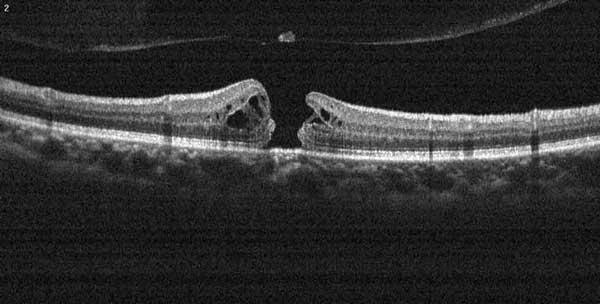
The confirmation of the condition is done by Optical Coherence Tomography (OCT). This examination allows us to measure the size of the hole and plan the surgical intervention with millimetre precision.
Surgical Intervention (Hyalonectomy & Peeling)
The rehabilitation is exclusively surgical. During surgery:
The vitreous humour is removed.
Carried out Peeling of the inner aphoretic membrane (a membrane 10 times thinner than a hair) to release the tension and allow the hole to close.
A special is placed gas bubble, which presses the edges of the hole to achieve healing.
Valuable Tips for Recovery:
The Position: You'll have to keep your head down for 3 to 8 days. You can sit at a table with your head resting on a pillow.
Sleep: Sleeping should be done either on your face or sitting up, keeping your head down.
Vision: For the first few days you will not be able to see out of the operated eye because of the gas. Vision will gradually return as the gas is absorbed (in about 2-4 weeks).
Plane: It is strictly forbidden to fly a plane while the gas is in the eye.
Frequently Asked Questions
How much will my vision improve after the hole is closed?;
Vision improves gradually over a period of up to 6 months. If the surgery is performed in time and the bubble position is correctly maintained, vision usually returns to the level it was before the deterioration and stabilizes, preventing further blindness.
Is the head position painful?;
It may cause discomfort in the neck or shoulders. Therefore, we recommend frequent short breaks (according to the doctor's instructions) and the use of special cushions or head support equipment to facilitate posture.
What will I see while I have the gas in my eye?;
You'll feel like you're looking through an aquarium. You will see a large black spot (the bubble) that will slowly shrink and “descend” to the bottom of your field of vision until it disappears completely.
Are there any risks from the surgery?;
As with any serious eye surgery, there is a small risk of infection or retinal detachment. Also, if you have not had surgery for a cataract, the presence of gas usually accelerates its formation, which is easily treated in the future.
When can I return to work?;
It usually takes 2-3 weeks to recover, depending on the nature of your work and the time needed to absorb the gas.
How will I know if the hole is closed?;
The surgeon will perform an OCT approximately one week after surgery (or as soon as gas absorption allows) to anatomically confirm the hole closure.