Retinopathy of Prematurity (ROP): protecting the vision of premature babies
What is the disease?;
Retinopathy of Prematurity (ROP) is a disorder in the development of the retinal vessels that affects only premature newborns. Due to premature birth, the blood vessels in the eye have not had time to fully develop, resulting in abnormal neovessels and fibrous tissue.
Which babies are at risk?;
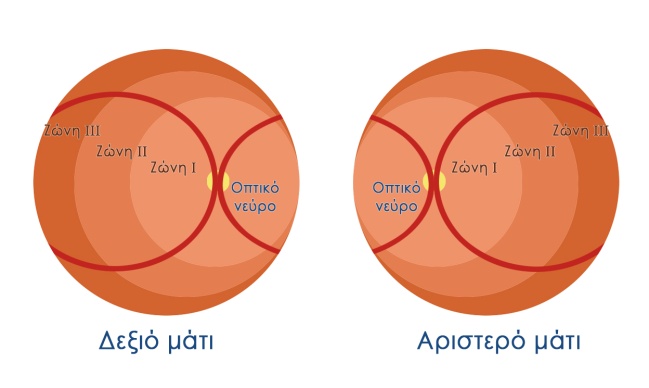
The risk increases the lower the birth weight and gestational age.
High Risk: Weight < 1,500 g and gestation < 32 weeks.
Lower Risk: Weight > 1,500 g and gestation > 32 weeks. Today, thanks to advances in neonatology, babies with extremely low birth weight (600-700 g) survive, but require close ophthalmological monitoring.
The Role of Oxygen & Other Factors
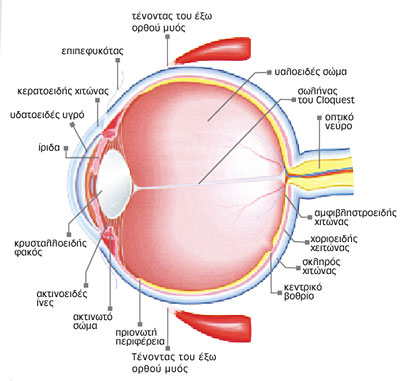
Oxygen administration in the incubator is essential for the baby's survival and the protection of the brain, but it is a key risk factor for the eyes.
In modern Neonatal Intensive Care Units (NICUs), the «golden mean» is achieved: exactly as much oxygen is administered as the child needs to live, minimising the risk to the eyes. Other aggravating factors are apnoea, sepsis, transfusions and multiple gestation.
Therapeutic Treatment
Monitoring: Most mild forms resolve on their own without intervention.
Laser Photocoagulation: It is the treatment of choice in advanced stages. The aim is to inhibit the abnormal vessels to prevent detachment.
Surgery: In rare, severe cases of detachment, surgery is required.
After discharge
Even if all goes well in the unit, premature children are more likely to develop myopia ή strabismus in the future. That's why regular follow-up after leaving the hospital is the key to giving your child excellent vision.
Frequently Asked Questions
Is it the oxygen my baby took?;
It's a common misunderstanding. Oxygen is necessary to keep the baby alive and protect its brain. In the old days, excessive use of oxygen often caused problems. Today, neonatologists use state-of-the-art machines that precisely regulate oxygen to save the child with minimal impact on the eyes.
Will my child go blind?;
With proper monitoring, the risk of blindness is now very low. The vast majority of cases are either cured on their own or successfully treated with Laser. The key is to get the tests done on time in the unit.
Does the test or the Laser hurt?;
The baby may be a little disturbed by the light of the examination or the opening of the eyelids, but the doctors use special anaesthetic drops to prevent pain. At the laser, the baby is usually sedated or under close supervision to make sure he or she doesn't feel anything.
When should we see an ophthalmologist again after the hospital?;
The doctor will give you specific instructions when you are discharged. Usually, the first check-up is a few weeks after discharge. Even if there was no problem in the incubator, premature babies should be checked for myopia and strabismus at 6-12 months of life.
Are there other treatments besides Laser?;
Yes. In some cases Cryo (cooling) is used, although Laser is generally considered preferable due to fewer complications. In very advanced stages (which fortunately are rare now), surgery for detachment may be required.
Is there anything I can do as a parent?;
The most important thing you can do is to be punctual with your eye doctor appointments, both in the unit and afterwards. Early diagnosis is everything.