
Diabetic Retinopathy: The "silent" threat to vision
Diabetes mellitus is a metabolic disease that affects millions of people worldwide. Chronic hyperglycaemia (high blood sugar) causes damage to small blood vessels throughout the body. In the eyes, this damage is called Diabetic Retinopathy and is the leading cause of vision loss in people of working age.
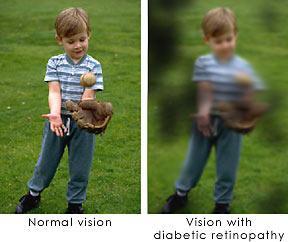
The Stages of the Disease
The condition usually progresses after 10-15 years of diabetes and is divided into two phases:
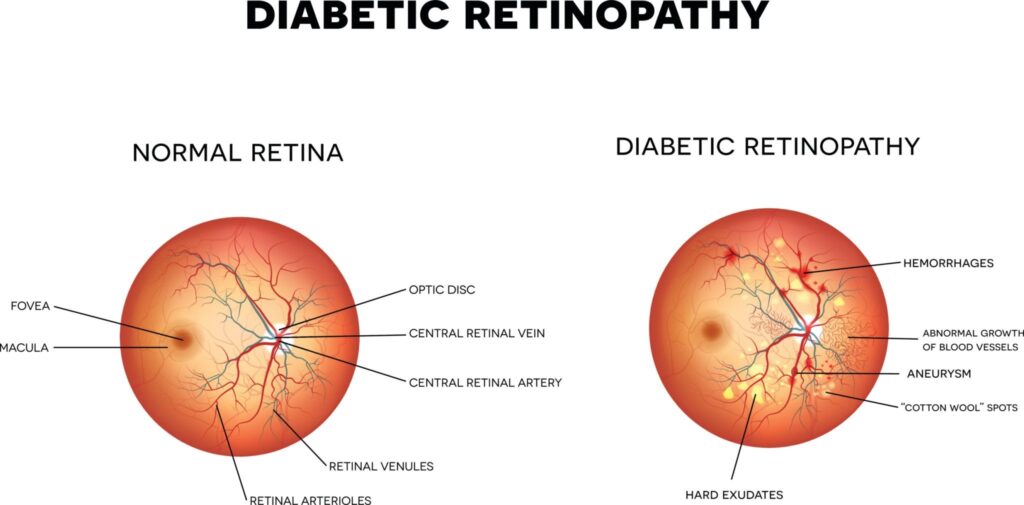
Non-productive (Substrate): This is the initial stage. The vessels are weakened and show small leaks (bleeding) or swelling in the macula, reducing vision.
Productive (Advanced): Due to poor circulation (ischemia), the eye tries to “feed” itself by creating new, poor quality blood vessels (neovascularization).
These break easily, causing massive bleeding inside the eye (vitreous) and sometimes retinal detachment.
Precision Diagnosis
For complete lesion mapping, in addition to clinical examination, we use cutting-edge technology:
OCT (Optical Computed Tomography): To check for edema in the macula.
Fluorescein angiography: To control circulation and leaks in the vessels.
Therapeutic Options
Depending on the stage, we intervene with:
Laser Photocoagulation: Targeted use of Laser to “burn” the ischemic areas and stop the creation of new pathological vessels.
Hyalonectomy: Surgery to clean the eye in cases of bleeding or detachment, where we remove the blood and membranes that pull the retina.
What are the suspicious symptoms?;
In the early stages, the disease gives no symptoms. But when it progresses, you may notice:
Blurred vision (which often fluctuates depending on your blood sugar).
Suddenly a lot of «flies» or shadows.
Loss of vision.
Prevention: the key to success
The research is clear: Patients who properly regulate their blood sugar and do annual eye check, are dramatically less likely to lose their sight. Don't wait until your vision becomes blurred to visit the doctor.
Frequently Asked Questions
Will I definitely go blind if I have diabetes?;
No. Diabetes is the leading cause of blindness, but this is mainly in cases that have been neglected. With good sugar control and regular check-ups (at least once a year) by a qualified ophthalmologist, the likelihood of severe vision loss is minimal.
Does the Laser hurt?;
Argon Laser treatment is performed in the office with anaesthetic drops. You may feel some “tingling” or slight discomfort during the treatment, but it is generally well tolerated.
What is a Hyalonectomy?;
It's a minor surgery. Imagine that the eye is filled with blood and cloudy jelly due to diabetes, so you can't see. With a vitrectomy, we go in with tiny instruments, clean out the blood, remove the scarring and restore light to your eye.
If I have a laser, will my vision be perfect?;
The purpose of Laser (Panretinal Photocoagulation) is mainly to save the vision you have and prevent further damage by burning the problem areas. In some cases it may slightly reduce peripheral vision to save central vision.
When do I have to be tested?;
If you are a type 2 diabetic, the test should be done immediately after diagnosis and then every year (or more often if there are findings). If you are type 1, screening usually starts 5 years after diagnosis.
I have blurred vision, but my blood sugar is regulated now. Why?;
Eye damage is the result of long-term exposure to sugar. Also, sudden improvement in blood sugar can sometimes temporarily worsen retinopathy. This is why collaboration between a diabetologist and an ophthalmologist is essential.