
Recurrent Epithelial Apoptosis: Diagnosis and Modern Treatment
What is Recurrent Apoptosis?;
It is a condition where the surface layer of the cornea (the epithelium) automatically detaches from the underlying membrane (basement membrane). This occurs due to defective adhesion between the layers, making the cornea vulnerable even to friction of the eyelids upon waking.
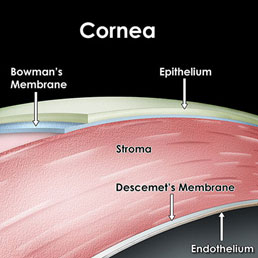
Reason
Injury: History of minor injury (e.g. from a child's fingernail, tree leaf or paper).
Dystrophies: Conditions such as basement membrane dystrophy (Cogan's dystrophy).
Systemic Factors: Diabetes mellitus and severe dry eyes.
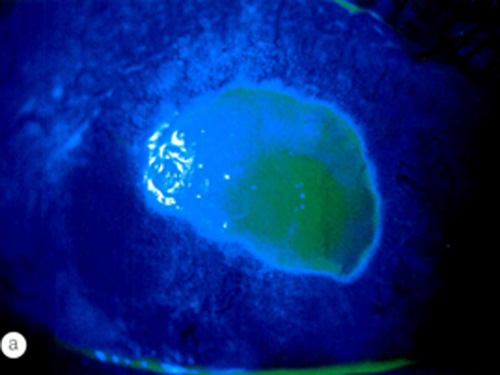
Therapeutic Strategy
Treatment is escalated depending on the frequency of relapses:
Conservative Treatment: Use of antibiotic ointments, hypertonic solutions (NaCl 5%) to reduce swelling and therapeutic contact lenses.
Invasive Techniques: * Surface Scraping: Removal of the loose epithelium to grow new, healthy epithelium.
Frontal Chromatic Rows: Tiny clues that create «anchor points» for the epithelium.
Excimer Laser (PTK): Phototherapeutic keratectomy to smooth the surface and enhance adhesion.
What are the symptoms?;
Severe pain and tearing (often when opening the eyes in the morning).
Feeling of a foreign body (like having sand).
Redness and sensitivity to light.
Frequently Asked Questions
Why does the pain occur mainly in the morning?;
During sleep, the eye dries out slightly and the eyelid can get stuck on the loose epithelium. When you abruptly open your eyes in the morning, the eyelid pulls and detaches the epithelium, causing the sharp pain.
How long should I use the 5% NaCl drops?;
Treatment with hypertonic solutions is usually long-term (weeks to months). The goal is to “pull” the fluid from the epithelium, allowing it to adhere more closely to the underlying layers.
Is the therapeutic contact lens safe?;
Yes, the therapeutic lens acts as a “bandage” that protects the epithelium from the friction of the eyelids. But it needs close monitoring by the doctor to avoid infections.
What are "hints" on the cornea?;
It is a technique where the doctor, using a very fine needle, creates tiny marks on the surface of the cornea. These marks act like “scars” that bind the epithelium to the lower layer more firmly.
Can diabetes affect healing?;
Yes. Patients with diabetes often have more impaired epithelial adhesion mechanisms and slower healing, which makes recurrences more common.
When should I consider the Excimer Laser (PTK) solution?;
Laser is recommended when conservative methods fail and pain episodes are frequent and affect your quality of life. It is a highly effective method for “clearing” the basement membrane and permanently stabilizing the epithelium.